
Thursday Spotlight Speakers
 Joseph Bondy-Denomy, PhD
Elizabeth Crouch, MD, PhD
 Jean Feng, PhD
 Diana Greene Foster, PhD
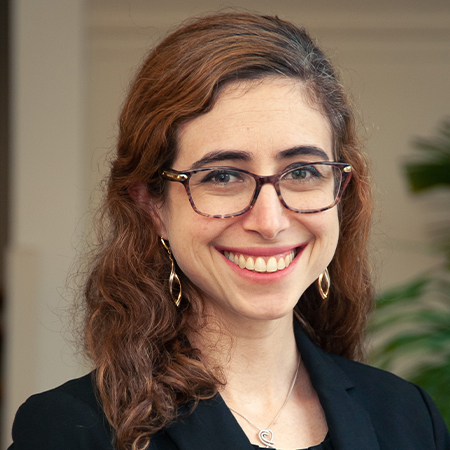 Lisa Rotenstein, MD, MBA
Joseph Bondy-Denomy, PhD
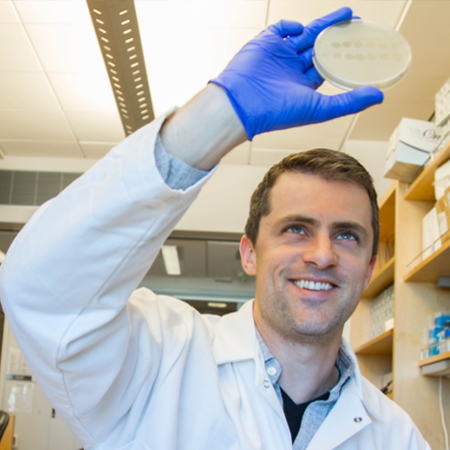
Joseph Bondy-Denomy is a Professor in the Department of Microbiology & Immunology at the University of California, San Francisco. The Bondy-Denomy lab is broadly interested in understanding mechanisms by which bacterial viruses, called bacteriophages, evade bacterial nucleases such as CRISPR and restriction enzymes. In this light, the lab studies the mechanisms of “phage nucleus” compartments, anti-CRISPR enzymes, and phage DNA base modifications. The lab has also works extensively on the immunity mechanisms conserved from bacteria to humans. For example the Bondy-Denomy lab discovered that bacteriophages produce cyclic nucleotide “sponges” that interfere with immune-stimulating signals used in bacteria and humans. A long-term goal is to rationally identify causal barriers to phage success in Pseudomonas aeruginosa clinical isolates and systematically engineer phages to overcome those barriers. Prior to coming to UCSF, Joe was a PhD student with Alan Davidson at the University of Toronto, where he studied CRISPR-Cas system and bacteriophage-encoded anti-CRISPR proteins. Work in the Bondy-Denomy lab has been funded by the NIH, DARPA, the Searle Scholars Program, the Vallee Foundation, and the Innovative Genomics Institute. Dr. Bondy-Denomy serves as a reviewer for the NIH and other granting agencies and for many journals. Joe is also the co-founder of Acrigen Biosciences, a gene editing company using anti-CRISPR proteins and on the SAB of SNIPR Biome, Leapfrog Bio, and Excision Biotherapeutics.
Elizabeth Crouch, MD, PhD
Dr. Elizabeth (Betsy) Crouch is a neuroscientist, vascular biologist and neonatologist. She completed her MD and PhD at Columbia University before switching coasts to finish her medical training in Pediatrics and Neonatology at UCSF. Since 2020, she has been an Assistant Professor of Pediatrics and Stem Cell Biology at the University of California, San Francisco (UCSF). Her lab studies how blood vessels grow and interact with other cells in the brain and spinal cord. In part, this interest is inspired from the preterm babies that she cares for clinically who are prone to brain hemorrhage. There are no disease-modifying treatments for this condition currently. Her lab uses neuropathological specimens, flow cytometry (FACS), bioinformatics, and cell culture, including organoid models, to interrogate brain vascular biology. Separate from science, she is passionate about mentoring and communicating science to the public. She leads the BreakingDownBiology blog to explain exciting scientific journal articles with everyday language and co-hosts "At the Bench: Neonatal Physician Scientists" for the Incubator Podcast network.
Jean Feng, PhD
Dr. Jean Feng is an Associate Professor in the Department of Epidemiology and Biostatistics at the University of California, San Francisco and the UCSF-UC Berkeley Joint Program in Computational Precision Health.
As a principal investigator in the UCSF-Stanford Center of Excellence in Regulatory Science and Innovation (CERSI), Dr. Feng collaborates closely with researchers from the US Food and Drug Administration to develop methods that improve the safety, reliability, and interpretability of artificial intelligence (AI)/machine learning (ML) algorithms in healthcare. Recent projects include diagnosing performance drops in AI/ML algorithms, using Large Language Models (LLMs) for scaling regulatory science, and understanding the statistical limits of LLM-as-a-judge for evaluating generative AI systems.
Dr. Feng is also the data science lead on the PROSPECT team, the digital innovation taskforce for the Zuckerberg San Francisco General Hospital. Recent projects by the PROSPECT team include the deployment of a readmission risk prediction model and the development of an LLM pipeline to summarize patient charts.
Diana Greene Foster, PhD
Diana Greene Foster, PhD, is a professor at the University of California, San Francisco. She is a demographer who uses quantitative models and analyses to evaluate the effectiveness of family planning policies and the effect of unwanted pregnancy on people’s lives. She led the Turnaway Study, a nationwide longitudinal prospective study of the health and well-being of women who seek abortion including both women who do and do not receive the abortion. Dr. Foster’s work has demonstrated the effect of subsidized contraceptives and dispensing a one year supply of contraception in reducing the incidence of unintended pregnancy. She is the author of over 130 scientific papers as well as the 2020 Scribner book, The Turnaway Study: Ten Years, a Thousand Women and the Consequences of Having – or Being Denied – an Abortion. She is currently collaborating with scientists on a Nepal Turnaway Study and with scientists from across the country on a study of the health, legal and economic consequences of the end of Roe. She was named a 2023 MacArthur Foundation fellow and one of ten people who shaped science in 2022 by the journal Nature. Dr. Foster received her undergraduate degree from UC Berkeley, her MA and PhD in Demography from Princeton University.
Lisa Rotenstein, MD, MBA
Dr. Lisa Rotenstein is a primary care physician, researcher, and healthcare leader whose work focuses on ambulatory care delivery, the physician workforce, and the intersection of the electronic health record with these issues.
She is an Associate Professor and Medical Director of Ambulatory Quality and Safety at UCSF Health. She additionally serves as the inaugural director of the Center to Advance Digital Physician Practice Transformation at UCSF (ADAPT) and Director of the Center for Physician Experience and Practice Excellence, which is jointly run across UCSF and Brigham and Women's Hospital. She was named to the 2024 class of the New Voices of the National Academies of Sciences, Engineering, and Medicine and named the 2025 Society of General Internal Medicine Outstanding Junior Investigator of the Year.
Dr. Rotenstein's research on the electronic health record (EHR), published in JAMA Internal Medicine, JAMA Network Open, JAMIA, and more, has deepened our understanding of the role of the EHR in influencing the physician experience, as well as how novel technologies such as virtual and AI scribes can shape physician workflows. Her scholarship on the physician workforce, published in JAMA, JAMA Internal Medicine, and the Journal of General Internal Medicine has fostered increased awareness of the epidemic of physician burnout, its predictors, and potential solutions. Finally, she is a nationally recognized expert on primary care delivery and trends, with her research and writing on this topic featured in outlets such as the New England Journal of Medicine and Annals of Internal Medicine.
Friday Spotlight Speakers
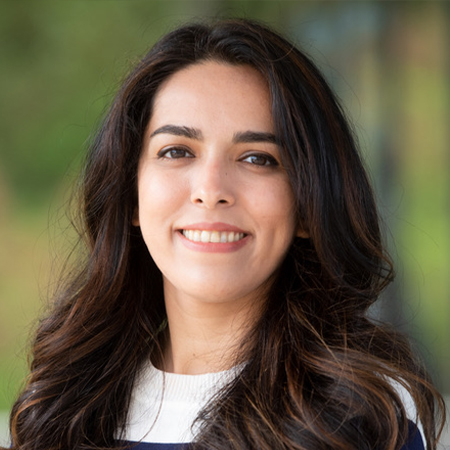 Faranak Fattahi, PhD
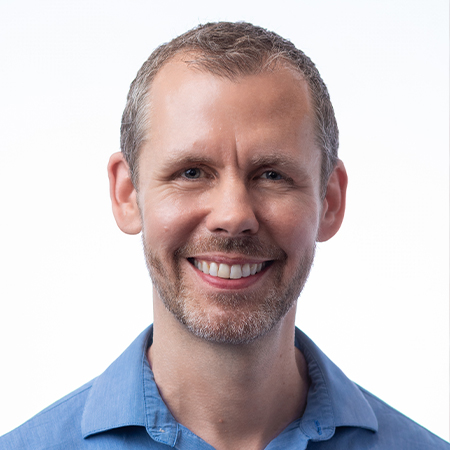 Martin Kampmann, PhD
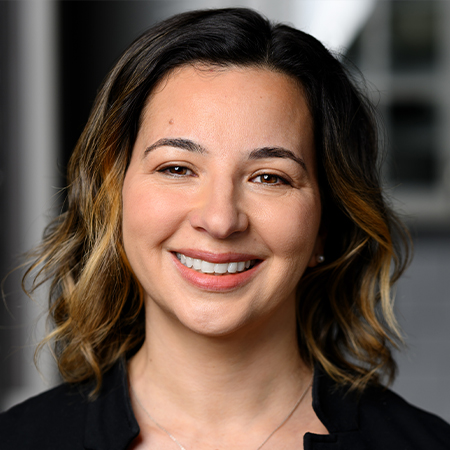 Anna Molofsky, MD, PhD
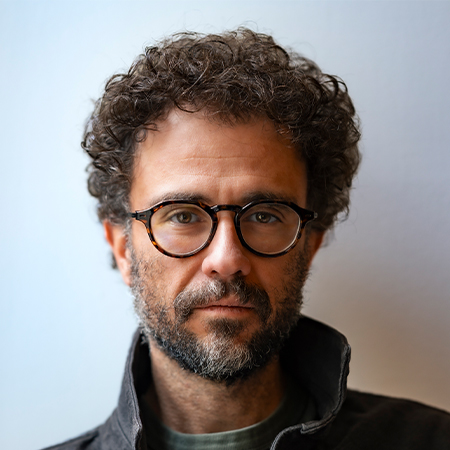 Pedro Pinheiro-Chagas, PhD
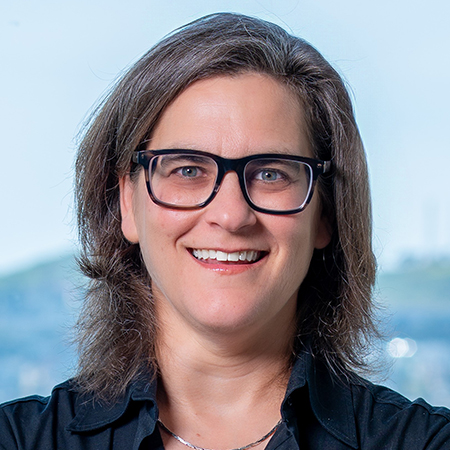 Hilary Seligman, MD, MAS
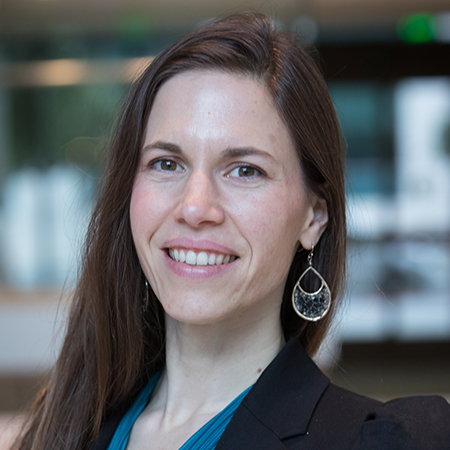 Jacqueline Torres, PhD, MA, MPH
Faranak Fattahi, PhD
Faranak Fattahi is an Associate Professor in the Department of Cellular and Molecular Pharmacology and a member of the Eli and Edythe Broad Center of Regeneration Medicine and Stem Cell Research. Her lab uses human stem cell–derived models and developmental biology approaches to study the nervous systems that regulate organs outside the brain, with a focus on gut motility and gut–brain communication. Her work spans developmental neurobiology, disease modeling, and cell-based and drug discovery approaches, with the goal of restoring neural function in gastrointestinal and peripheral nerve disorders.
Martin Kampmann, PhD
Dr. Martin Kampmann is the Dorothy Bronson Professor in the UCSF Department of Biochemistry and Biophysics and the Institute for Neurodegenerative Diseases. He received his BA in Biochemistry from Cambridge University and his PhD from Rockefeller University.
Dr. Kampmann’s goal is to uncover the molecular and cellular mechanisms driving neurodegenerative diseases such as Alzheimer’s disease. Dr. Kampmann co-invented CRISPRi and CRISPRa screening and pioneered CRISPR-based screens in human brain cell types such as neurons, microglia and astrocytes. More recently, his lab also established mouse in vivo CRISPR screening platforms. Key discoveries from the Kampmann lab include the first molecular description of neurons that are selectively vulnerable in Alzheimer’s Disease in the human entorhinal cortex, a brain area affected early in disease; key cellular factors mediating spreading of aggregation of the protein tau, which is thought to drive progression of Alzheimer’s disease and related dementias; the molecular pathway by which human mitochondria signal stress to the rest of the cell; and regulators of disease-relevant states of microglia and astrocytes.
Dr. Kampmann directs the Hillblom Network for Tau Strain Mechanisms and is a co-director of the NIH-funded Tau Center without Walls. He was named an NIH Director’s New Innovator, an Allen Distinguished Investigator, an Alzheimer Association Zenith fellow, and a Bowes Biomedical Investigator, and he received the Rainwater Prize for Innovative Early Career Scientist, the Chan Zuckerberg Initiative Ben Barres Early Career Acceleration Award and the Byers Award in Basic Science.
Anna Molofsky, MD, PhD
Dr. Anna Victoria Molofsky is a molecular neuroscientist and adult psychiatrist at the Weill Institute for Neurosciences at UCSF. Her group studies how the immune system impacts brain function in health and disease, with the long-term goal of developing new immunotherapies for neuropsychiatric disorders. The Molofsky lab has identified multiple novel mechanisms through which immune signaling molecules regulate brain development, synaptic plasticity, and disease. Beginning with studies of how these immune signals promote healthy brain function, the lab then studies how these pathways are impacted in models of diseases including Alzheimer’s Disease, viral infection, and others. Dr. Molofsky has received numerous awards including an NIH New Innovator award, a Pew Biomedical Scholar award, the Friedman Prize from the Brain and Behavior Research Foundation, the Daniel H. Efron Research Award from the American College of Neuropsychopharmacology, and a Bowes Biomedical Investigator Award. Dr. Molofsky received her M.D. and Ph.D. degrees from the University of Michigan and completed adult psychiatry residency and postdoctoral training at UCSF.
Pedro Pinheiro-Chagas, PhD
Pedro Pinheiro-Chagas is an Assistant Professor of Neuroscience at the University of California, San Francisco, in the Department of Neurology at the Fein Memory and Aging Center. He directs both the NeuroAI Lab and the MAC AI Core, a division-wide infrastructure that advances AI-enabled research and supports clinical translation. Dr. Pinheiro-Chagas’s research focuses on developing computational approaches for the study, assessment, and management of neurodegenerative diseases. His lab develops foundation AI models capable of learning shared representations from multimodal biomedical data, including clinical narratives, neuropsychological assessments, neuroimaging, genetics, biomarkers, and related modalities. These unified representations are critical for capturing the heterogeneity of neurodegenerative diseases, thereby enabling more accurate differential diagnosis and precise modeling of disease trajectories. Building on these models, his lab develops AI systems for clinical reasoning. These systems use agentic AI architectures with a human-centered design that combine generative AI models with traditional machine learning algorithms, while emphasizing interpretability, scientific grounding, and integration with healthcare systems and clinical workflows. In parallel, the lab develops AI conversational agents that conduct clinical interviews to optimize the diagnostic process and monitoring of disease progression. Dr. Pinheiro-Chagas’s overarching goal is to leverage AI to accelerate disease discovery and scale specialist-level care for patients and families living with dementia.
Hilary Seligman, MD, MAS
Hilary Seligman MD MAS is Professor of Medicine and of Epidemiology and Biostatistics at the University of California San Francisco. She holds faculty affiliations in UCSF’s Division of General Internal Medicine, Institute for Health Policy Studies, ARC for Health, and Clinical and Translational Sciences Institute.
Dr. Seligman is a nationally recognized expert on food insecurity and health outcomes across the life course. Much of her recent work has focused on the development, implementation, and evaluation of “food is medicine” programs, particularly produce prescription programs. She has directed NOPREN (the CDC’s Nutrition and Obesity Policy Research and Evaluation Network) for more than ten years. She serves as Deputy Scientific Lead for the American Heart Association’s Health Care by Food initiative. Her team runs Vouchers for Veggies, a large produce prescription program known in San Francisco as EatSF, and provides technical assistance and support to “food is medicine” programs across the country.
Dr. Seligman co-directs the CTSI’s IMPACT Program with Laura Schmidt. IMPACT aims to support faculty, staff, and trainees across UCSF in using research and evidence to improve policy, both government policy and health system policy.
Dr. Seligman is also Program Director for the National Clinician Scholar Program at UCSF, the legacy program of the Robert Wood Johnson Foundation’s National Clinical Scholars.
Jacqueline Torres, PhD, MA, MPH
Jacqueline Torres is an Associate Professor in the Department of Epidemiology & Biostatistics. Her work is largely focused on the role of social, policy, and family-level factors in shaping mid- and late-life health and aging with a particular focus on Alzheimer's disease and related dementias. Much of her work employs advanced econometric and epidemiologic methods to improve the rigor of observational research on dementia risk factors. This work is supported by a $29m National Institute on Aging (NIA)-funded program project, Triangulating Innovative Methods to End Alzheimer’s Disease (TIME-AD), for which she is multiple Principal Investigator. Since 2020, she has also led a community-based cohort of middle-aged primarily immigrant women in an agricultural region of California to understand social and environmental drivers of dementia risk factors using rich, prospectively collected data. She is a celebrated teacher of epidemiologic methods and their application to chronic disease and social epidemiology and a dedicated mentor of trainees and fellow faculty. She is currently co-Director of the NIA-funded Training for Research on Aging and Chronic Disease (TE-TRAC) pre and postdoctoral T32 program and Division Head of Lifecourse Epidemiology. In 2025, she was awarded the Presidential Early Career Award for Scientists and Engineers (PECASE), the highest honor bestowed by the federal government on early-career scientists in the U.S.