
Honoring Brian Black’s Leadership and Contributions to the Cardiovascular Research Institute
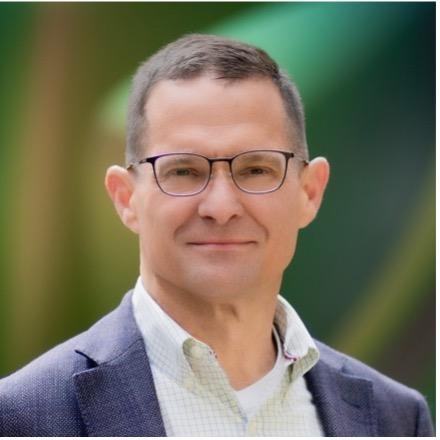
Brian L. Black, PhD, will step down as director of the UCSF Cardiovascular Research Institute (CVRI) on October 31, 2026, after more than seven years leading one of UCSF’s preeminent research institutes. A longtime member of the UCSF community, Dr. Black has advanced cardiovascular science through his leadership, research, teaching, and deep commitment to mentoring the next generation of scientists.
Leadership and Service
Dr. Black became director of the CVRI in March 2019 after serving as interim director for 17 months. At the time of his appointment, he had already spent more than a decade in CVRI leadership and had established an internationally recognized basic research laboratory focused on developmental biology and the transcriptional mechanisms that control cardiovascular development.
Under Dr. Black’s leadership, the CVRI has continued to maintain its longstanding emphasis on fundamental discovery in cardiovascular and cardiopulmonary biology. He has fostered a collaborative, interdisciplinary scientific community that brings together researchers across programs, departments, and campuses to tackle complex questions in cardiovascular health and disease.
Today, the CVRI is home to more than 50 principal investigators as well as hundreds of trainees and staff. Its faculty span basic, translational, and clinical research, creating connections between UCSF’s scientific and clinical communities and advancing the institute’s mission to understand, prevent, treat, and ultimately cure cardiovascular and cardiopulmonary disease.
Mentorship and training have been central to Dr. Black’s leadership throughout his UCSF career. Before becoming director, he served for more than a decade as the CVRI’s mentoring program coordinator. He has also served as principal investigator of the institute’s longstanding NIH-supported T32 training program in the Molecular and Cellular Basis of Cardiovascular Disease, which prepares postdoctoral scientists and physician-scientists for careers in cardiovascular research.
Dr. Black’s commitment to mentorship is informed in part by his own experience as a first-generation college graduate. Throughout his leadership career, he has emphasized creating pathways for scientists from a wide range of backgrounds to succeed.
Academic and Research Excellence
Dr. Black joined UCSF in 1998 and has built an internationally recognized research program focused on understanding how tissues and organs form during embryonic development. His laboratory studies the gene regulatory networks that control cardiovascular development, with the goal of better understanding congenital defects and identifying potential mechanisms for organ regeneration and repair.
His research group has made important contributions to understanding the molecular mechanisms underlying cardiovascular biology, including the gene regulatory pathways that govern the formation of the heart and blood vessels. His laboratory combines genetic, biochemical, genomic, computational, and developmental approaches to investigate how cells acquire their identities and organize into functional tissues and organs.
Dr. Black has maintained sustained support from the National Institutes of Health throughout his career. His research has included NIH-funded investigations of cardiovascular transcription, heart regeneration, craniofacial development, neurodegeneration, and endocardial gene expression. He has also contributed to major collaborative research efforts across UCSF and partner institutions, including work to understand how the three-dimensional organization of the genome influences gene activity in heart cells.
His contributions to UCSF extend well beyond his own laboratory. Dr. Black has served on executive committees for UCSF graduate programs and the Medical Scientist Training Program and has helped educate and mentor generations of graduate students, postdoctoral scholars, medical students, and emerging investigators. In recognition of his dedication to medical student education, he received the Haile T. Debas Excellence in Teaching Award in 2014.
Dr. Black has also contributed to the broader cardiovascular and developmental biology communities through leadership roles with organizations including the American Heart Association and the North American Vascular Biology Organization and through service to the scientific literature.
A Lasting Impact
Across nearly three decades at UCSF, Dr. Black has helped advance a culture in which scientific excellence, collaboration, mentorship, and discovery reinforce one another. As director, he has built on the CVRI’s distinguished history while strengthening the interdisciplinary community that is central to its success.
His leadership leaves the institute well positioned for its next chapter, with an extraordinary community of scientists, clinicians, trainees, and staff working together to answer some of the most consequential questions in cardiovascular and cardiopulmonary biology.
Dr. Black will remain a member of the UCSF faculty and continue his research, teaching, and mentorship.
Please join us in thanking Dr. Black for his dedicated leadership of the CVRI and his enduring contributions to UCSF.